Safety Goggles: What Buyers Should Confirm Before Ordering
Safety goggles inquiries go better when the buyer states the item, the setting and the quantity in plain words. This guide lists the questions that belong in the inquiry, and it claims no level or specification for any range. Read it as a checklist for the inquiry, not as a description of an item.
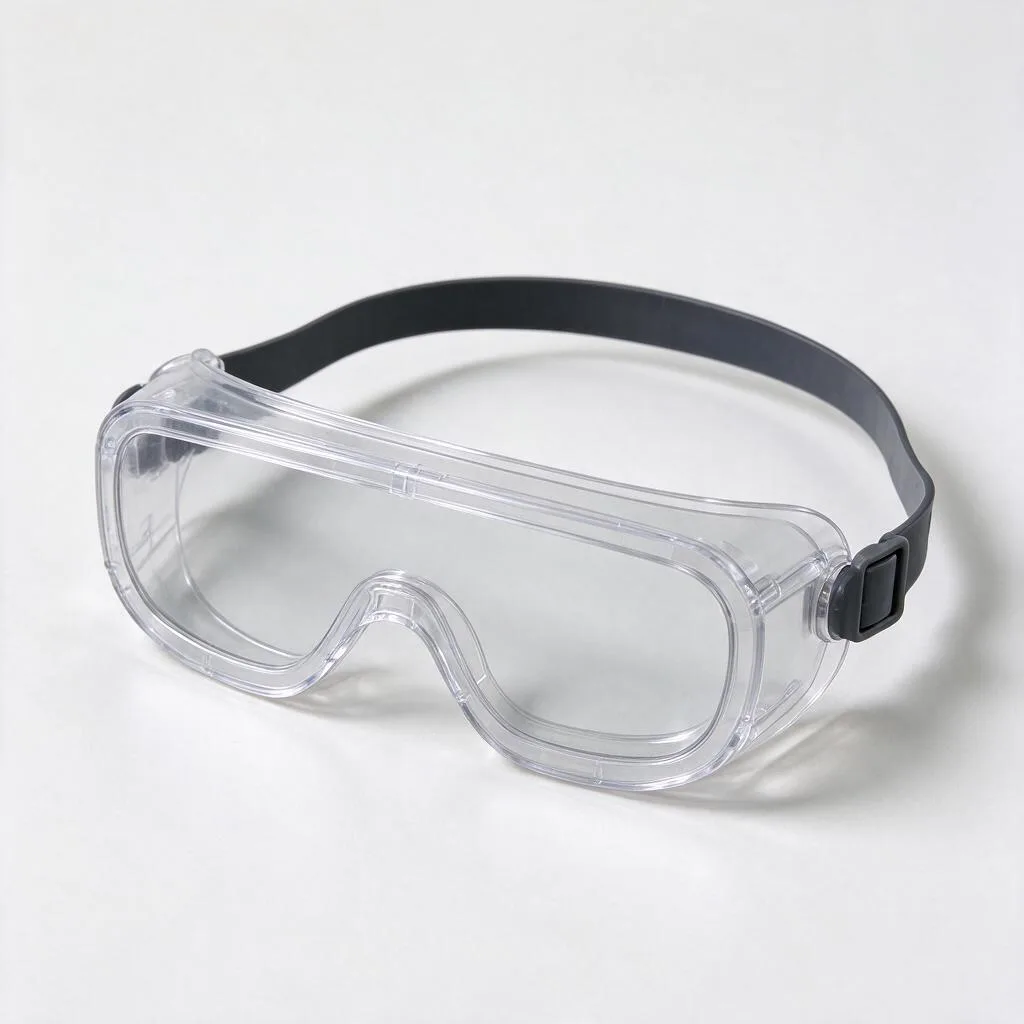
Start with the item, not the category name
Category names such as safety goggles cover a wide set of items. An inquiry that names only the category leaves the supplier to guess the item, and the quote then rests on a guess. State the item shape in plain words, and add the quantity beside it. A shape line can be short: the form of the goggles, the strap style in plain words, and the lens tint name where the range gives one.
The guide page beside this blog covers the same category names at selection level. This blog adds the inquiry habit: item first, then setting, then quantity, then packaging needs. That order keeps the inquiry readable, and it keeps each answer beside the question it answers. When the item line is vague, every later line becomes harder to read, because the reader cannot tell which item the quantity or the packaging line belongs to.
A common mistake is to copy a category name into the item line and stop there. Category names are for finding a page, not for describing an item. Another common mistake is to list several items in one line without quantities beside each one. Give each item its own line, with its own quantity, so the inquiry can be read line by line.
State the setting in plain words
The work setting matters because it shapes which item fits the inquiry. State the setting in plain words, without attaching a level or a designation to it. A plain setting line states the setting. Ask the supplier to confirm in writing whether an item matching the requirement is listed. That question belongs in the inquiry itself, not in a claim on the page.
Setting lines work best when they name the place and the task in ordinary words. A setting line that names only a room or only a task leaves half the picture out. Name both, briefly, and leave any level or designation out of the line entirely. Levels and designations are not part of this site's copy, and they should not be part of the inquiry as claims either; where a market requires documents, list the documents instead.
Where the item must fit over other eyewear, state that too. Fit questions belong in the inquiry, not in a claim on the page. State what the item must fit over, in plain words, and state whether the fit question applies to every item on the list or only to one line. Fit lines that float without an item beside them are easy to misread.
Lens and frame type lines
Where the range gives a lens or frame type, state the type name in the inquiry. Type names on this site are labels: they name a variant, and they do not describe what a lens or a frame does. The inquiry should use the type name exactly as the page gives it, so the reader can match the inquiry line to the page it came from.
Do not add behaviour words to a type line. A type line that says what a lens does has turned a label into a claim, and claims belong nowhere in this inquiry method. Keep the type line short: type name, item line, quantity. If the type is uncertain, say so in the inquiry and ask the supplier to confirm in writing which type matches the requirement.
Frame lines follow the same rule. State the frame style in plain words, and state the colours or finishes you are asking about. Colour and finish lines are part of the item description, and they belong beside the item line, not in a separate note at the end of the inquiry.
Documents and quantities
List the documents your market requires and ask which can be supplied. Certificates available upon request is the only documents wording on this site, and the inquiry is the place to list document needs. A document list should name each document in plain words, and it should say whether the document is needed for every item or only for one line.
State your order quantity in the inquiry. Ask the supplier to confirm the delivery schedule in writing. Quantity lines belong beside item lines, not in a closing paragraph where they can be missed. Where quantities differ by item, give each item its own quantity, and check at the end that every item line carries one.
Packaging and labelling needs belong in the same checklist. State the packaging need in plain words, and state the labelling need beside it. Where packaging differs by item, say so line by line. A single packaging line at the end of a long inquiry is easy to read as applying to everything, so mark its scope plainly.
A short inquiry checklist
Item in plain words. Setting in plain words. Quantity beside each item. Lens or frame type where the range gives one. Colours or finishes. Packaging and labelling needs. Document needs. Keep any written confirmation you receive with the quote.
That checklist is the whole method. Nothing on this blog adds a claim to it, and no sentence here promises an outcome; the inquiry states the item, the setting and the quantity. Use the checklist in order, and read the inquiry once through before sending it, checking that each item line carries a quantity and each quantity carries an item.
A final read-through catches the usual slips: an item without a quantity, a quantity without an item, a type name without a page to match it to, and a packaging line whose scope is unclear. Fix those four slips and the inquiry is ready to send through the form on the contact page.
Reading the inquiry back, and handling uncertainty
A read-through before sending is the cheapest quality step in the whole method. Read the inquiry from the top, slowly, and check each line against the checklist: item, setting, quantity, type, colours or finishes, packaging and labelling, documents. A line that cannot be checked against the checklist is a line that needs rewriting, not a line to leave in place. Read-throughs catch vague item lines first. A vague item line usually shows up as a category name standing alone, without a shape or a style beside it. Rewrite the line with the shape or the style in plain words, and add the quantity beside it.
A vague setting line shows up the same way: a room without a task, or a task without a room. Add the missing half in ordinary words, and leave any level or designation out of the line entirely. Levels and designations are not part of this site's copy, and they should not be part of the inquiry as claims either; where a market requires documents, list the documents instead. Read-throughs also catch quantity slips. Count the item lines, then count the quantity lines. The two counts should match, and each quantity should sit beside the item it belongs to. Where a quantity sits in a closing paragraph instead of beside its item, move it.
Uncertain requirements are normal, and the inquiry method handles them by stating the uncertainty plainly. Where the item is uncertain, say which items are under consideration, in plain words, and ask the supplier to confirm in writing which item matches the requirement. An uncertain line that says so is more useful than a confident line that guesses. Where the setting is uncertain, state the settings under consideration, briefly, and leave the choice to written confirmation. Where the type is uncertain, name the types under consideration and ask the supplier to confirm in writing which type matches the requirement.
Uncertainty lines should still carry quantities and packaging needs where those are known. An inquiry can be uncertain about an item and certain about a quantity at the same time, and the certain lines should be stated as certainly as the uncertain lines are stated as uncertain. Mixed certainty is fine, as long as each line marks its own certainty plainly. A final read-through catches the remaining slips: an item without a quantity, a quantity without an item, a type name without a page to match it to, and a packaging line whose scope is unclear. Fix those four slips and the inquiry is ready to send through the form on the contact page.
The same read-through habit applies to longer inquiries that mix ranges. Where an inquiry covers more than one range, give each range its own block of lines, with its own item lines, type lines and quantities. A mixed inquiry in one block forces the reader to sort ranges while reading quantities, and sorting while reading is where misreading starts. Blocks remove that work, and they let the reader check one range at a time. Where a mixed inquiry also mixes bulk and single-range intent, mark the intent per block, at the top of each block, so the reader never has to guess which intent a line belongs to.
Keep any written confirmation you receive with the quote. That filing habit is worth stating again, because it is the step most often skipped. A quote file that holds the inquiry, the quantity lines and the written confirmation together can be checked in one sitting, while a file that holds only the quote cannot be checked against anything. File the confirmation beside the inquiry it answers, not in a separate folder or a separate thread. A confirmation filed apart from its inquiry is easy to lose and hard to match, and a lost confirmation is the same as no confirmation for checking purposes.
Request a quote
Request a quote: list each item, the quantity, and the lens or frame type you need.